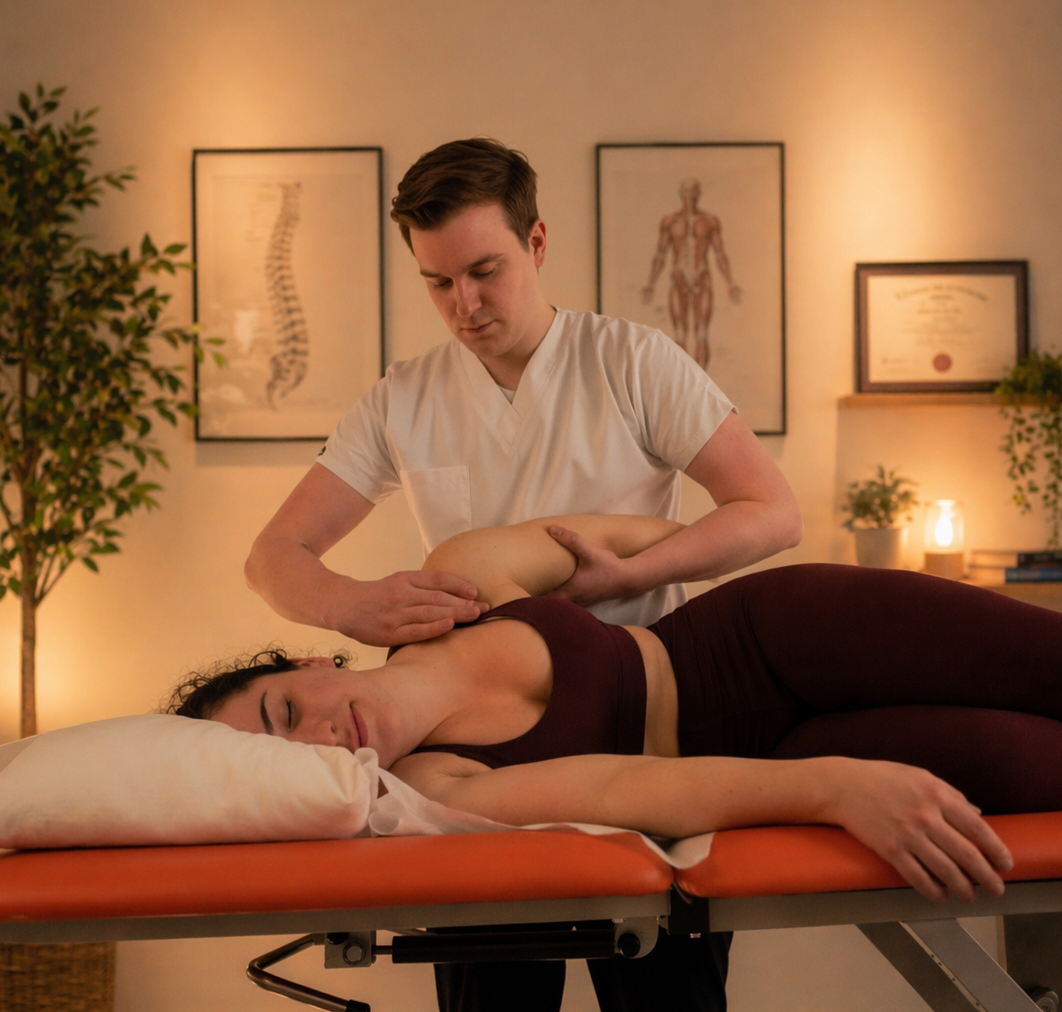
Hi, I’m Luke.
“This isn’t just my practice, it’s a reflection of what I believe in. I’m here to provide osteopathic care that matters, guided by holistic wellbeing and attentive care.”
My Approach
I am a structural osteopath, grounded in modern evidence and guided by a clear, informed diagnostic approach. I assess each person thoroughly, listening to their story, observing movement and using targeted testing. So that my clinical decisions are based on the body’s actual physiological processes, rather than assumptions. I select techniques based on the specific areas involved and the nature of the problem, using structural releases, articulations, mobilisation, or soft-tissue work as appropriate. I integrate current research and best-practice principles into my clinical reasoning, and I remain pragmatic about what will help each individual most effectively.
I endeavour to make sure every session is tailored to the individual patient. Building a treatment plan with short, medium and long term goals. Adjusting pace and technique based on how they respond. Education and self-management are central; I’ll explain findings in plain terms, offer practical advice and exercises, setting realistic expectations for recovery and maintenance.
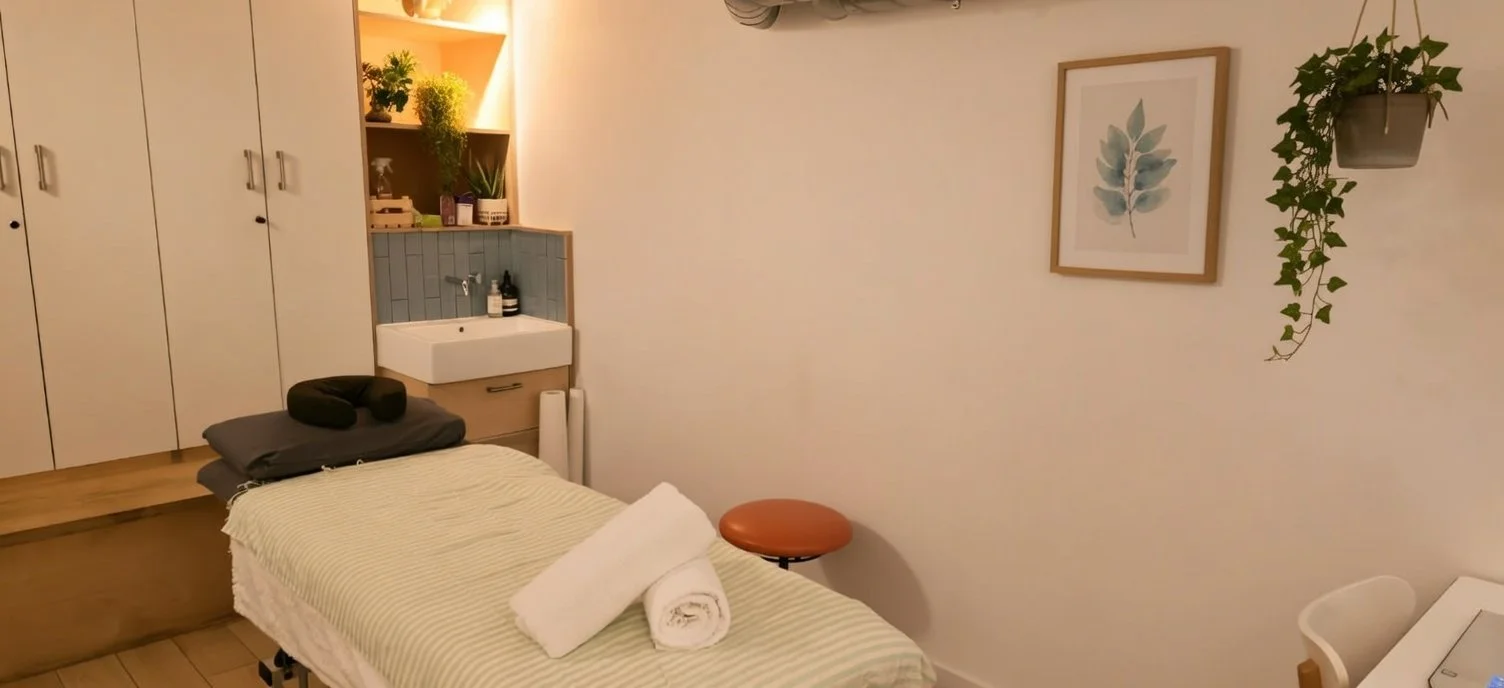
I also aim to make my practice space feel welcoming and warm rather than overly clinical. From the way I communctate to the room’s feel, I want my patients to be at ease, feel safe to ask questions, rest and engage in their care. Respect, clear communication and shared decision-making underpin everything I do.
Structural Osteopathy
A structural osteopath specialises in diagnosing and treating issues related to the body’s musculoskeletal system including muscles, joints, and connective tissues. Using a range of hands-on techniques such as stretching, massage, joint mobilisation, they aim to reduce pain, improve movement, and support the body’s natural ability to heal itself.
Structural osteopathy is based on the principle that the body’s structure and function are closely linked, so imbalances or restrictions in one area can affect overall wellbeing. In the UK, osteopaths are regulated by the General Osteopathic Council, ensuring high standards of training, safety, and professional practice.
Appointment Time
I offer 1-hour sessions. This is because I feel the typical 30-minute osteopathy appointments often feels rushed, impersonal and outdated. Longer sessions give us the time to thoroughly discuss your progress, address your concerns, and treat you holistically.
This approach allows careful listening, thoughtful planning, and tailored care. It also helps us avoid that clinical ‘doctors appointment’ feeling and rather give you time and space to discuss your health and relax into treatment.